Katja Otto · 2 September 2026
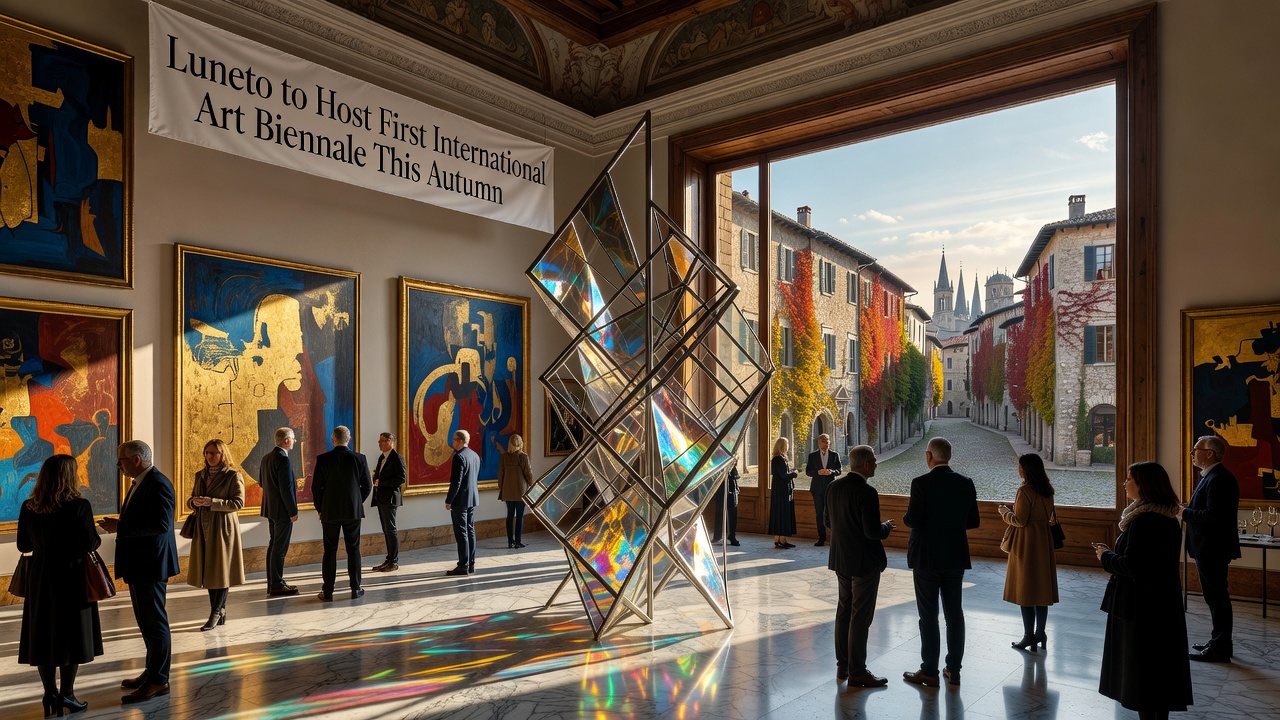
Luneto will host its inaugural International Art Biennale this autumn, marking a significant milestone in the region's cultural calendar. The event is scheduled to run from September 15 to November 30, featuring works from over 80 artists across 25 countries. Organizers expect more than 150,000 visitors to the various venues spread throughout the city center and surrounding cultural districts.
The biennale aims to explore themes of migration, identity, and environmental change through contemporary visual arts. Curators have selected a diverse range of media including painting, sculpture, video installations, and performance pieces. Partnerships with major institutions in Paris, Berlin, and New York have facilitated the loan of key artworks for the duration of the exhibition.
Featured Artists and Key Installations
Among the confirmed participants are renowned figures such as Elena Vargas from Spain, whose large-scale textile works address climate displacement, and Japanese sculptor Hiroshi Tanaka, known for his kinetic metal structures. Emerging talents from Africa and South America will also be showcased, with several site-specific commissions created especially for Luneto's historic public squares. A central pavilion will host rotating displays, while satellite events include artist talks and workshops open to the public at no charge.
Security and logistics teams have been preparing venues since early summer to accommodate the expected crowds. Transportation links between exhibition sites will be enhanced with dedicated shuttle services. The biennale's budget, funded through a combination of regional grants, corporate sponsorships, and ticket sales, totals approximately 4.2 million euros.
Cultural and Economic Impact
Local businesses anticipate a substantial boost in tourism revenue during the three-month period. Hotels report near-full occupancy for peak weekends, and restaurants are expanding outdoor seating to handle increased foot traffic. Cultural analysts note that the event positions Luneto as an emerging hub for international contemporary art, complementing its existing reputation for heritage preservation.
Educational programs tied to the biennale will engage schools across the region, offering guided tours and interactive sessions focused on artistic techniques and thematic discussions. Organizers emphasize accessibility, with audio guides available in eight languages and provisions for visitors with mobility needs. The closing weekend will feature a symposium bringing together curators and policymakers to evaluate the event's outcomes and plan future editions.